On RTL: exercise, a pillar of cancer treatment
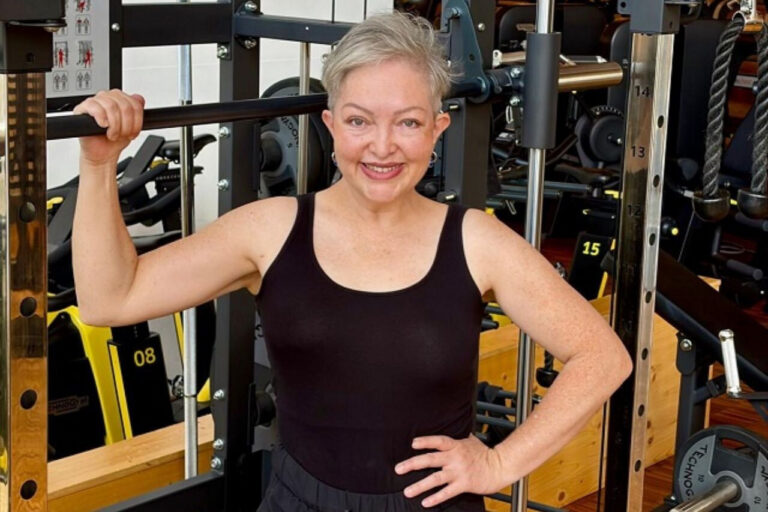
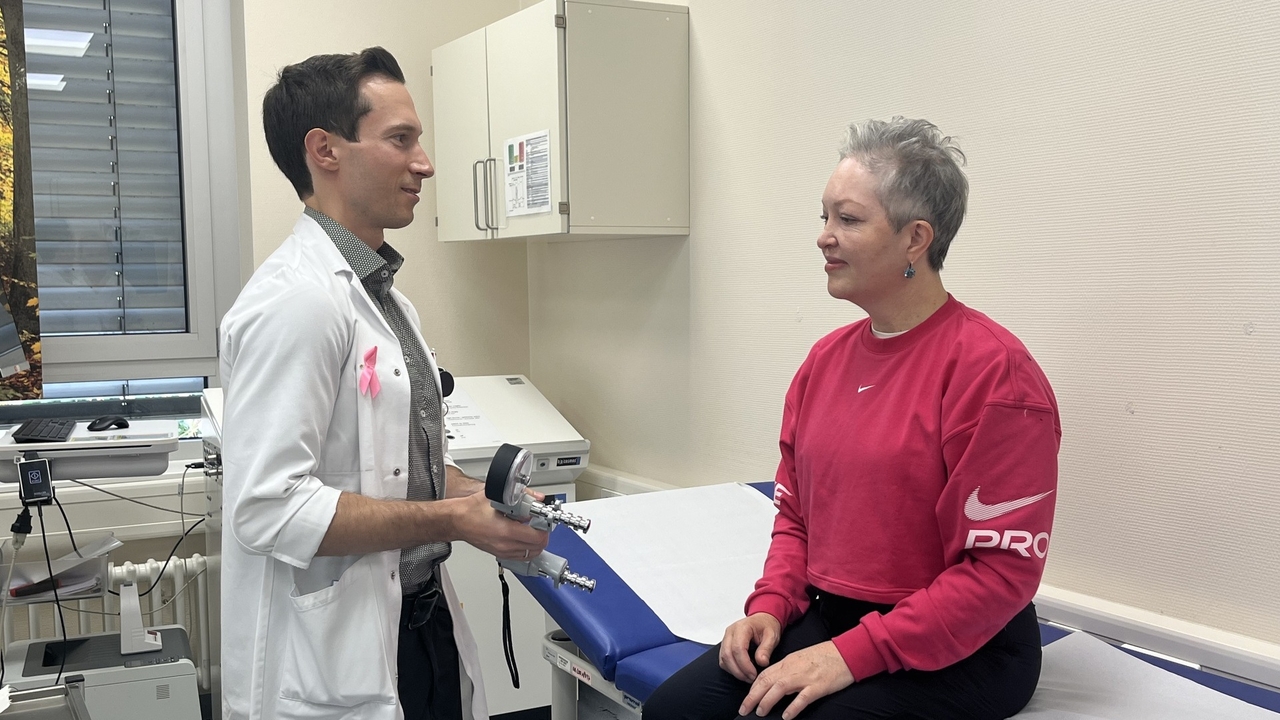
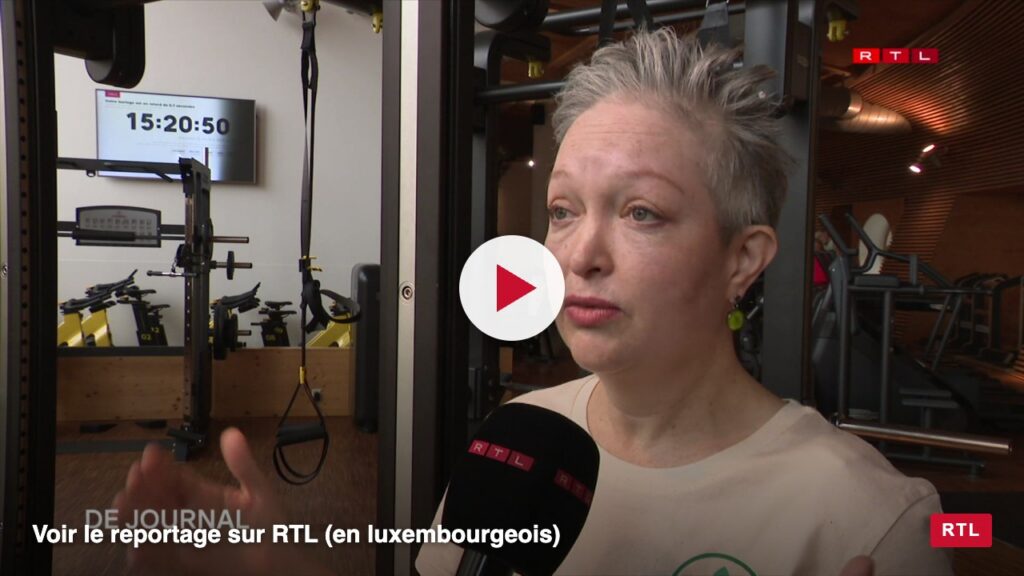
For Pink October, RTL journalist Raphaëlle Dickes spent a few hours with me, between the gym and the hospital, to talk about a subject close to my heart: physical exercise during cancer treatment. The report aired on the evening news, in Luxembourgish, and RTL Today published an article in English. I was touched that the subject was given this space, and I am happy to share it with you.
What I found in the studies
In April 2024, I learnt that I had breast cancer. During chemotherapy, I did what my profession taught me: I read the studies. I wanted to know what I, myself, could do to improve my chances. The figures struck me.
- In patients with breast cancer, regular physical activity reduces the risk of recurrence by about 25%.
- In colorectal cancer, it lowers the risk of death at eight years by 37%.
- The recommendation: 150 to 300 minutes a week, combining endurance and strength training, including two 30-minute strength sessions. Intensity is not essential, lighter activity counts too.
In the report, Dr Steve Hein, from the CHL’s sports and preventive medicine department, confirms these findings. He has been supporting oncology patients for ten years, mostly with breast and colorectal cancers: exercise helps patients tolerate chemotherapy better, reduces side effects, fights fatigue, prevents muscle wasting and can even relieve some nerve damage. He explains the mechanism better than I could:
“On one hand, physical activity lowers inflammation in the body, which likely removes a sort of growth fuel from the cancer. Muscles release signaling molecules during exercise that can act on cancer cells. This includes boosting immunity, our immune cells become more specifically active against cancer cells and detect them more quickly.”
Dr Steve Hein, sports and preventive medicine, CHL (as quoted by RTL Today)
Breaking the myth of rest
I followed a personalised programme, designed by a coach who specialises in supporting cancer patients and adapted to each stage of my treatment: running and strength training, then impact exercises during hormone therapy to protect my bones from osteoporosis.
I won’t lie to you: it was not easy at first. Exercising in the middle of chemotherapy is a challenge. But as soon as I felt the positive effects, the motivation came on its own.
I measured the benefits on myself: more vitality, fewer side effects, less muscle and joint pain. Today, on hormone therapy, I lead a fairly comfortable life with almost no side effects. It is also what allowed me to follow my treatment through to the end.
This is the experience I want to pass on. I trained in exercise, lifestyle and nutrition in oncology, and today I support other patients on this same path. My goal is simple: to put an end to the idea that a person with cancer should only rest during treatment. That is why ActiveHEAL exists.
Exercise on prescription
The report also mentioned a national pilot project: doctors would be able to prescribe physical activity to certain groups of patients, who would then be supervised by trained staff, with at least partial coverage by the CNS. That project has since become reality: the exercise-on-prescription scheme was launched in January 2026 and includes cancer patients. For me, it is an important step towards making “moving during treatment” the norm rather than the exception.
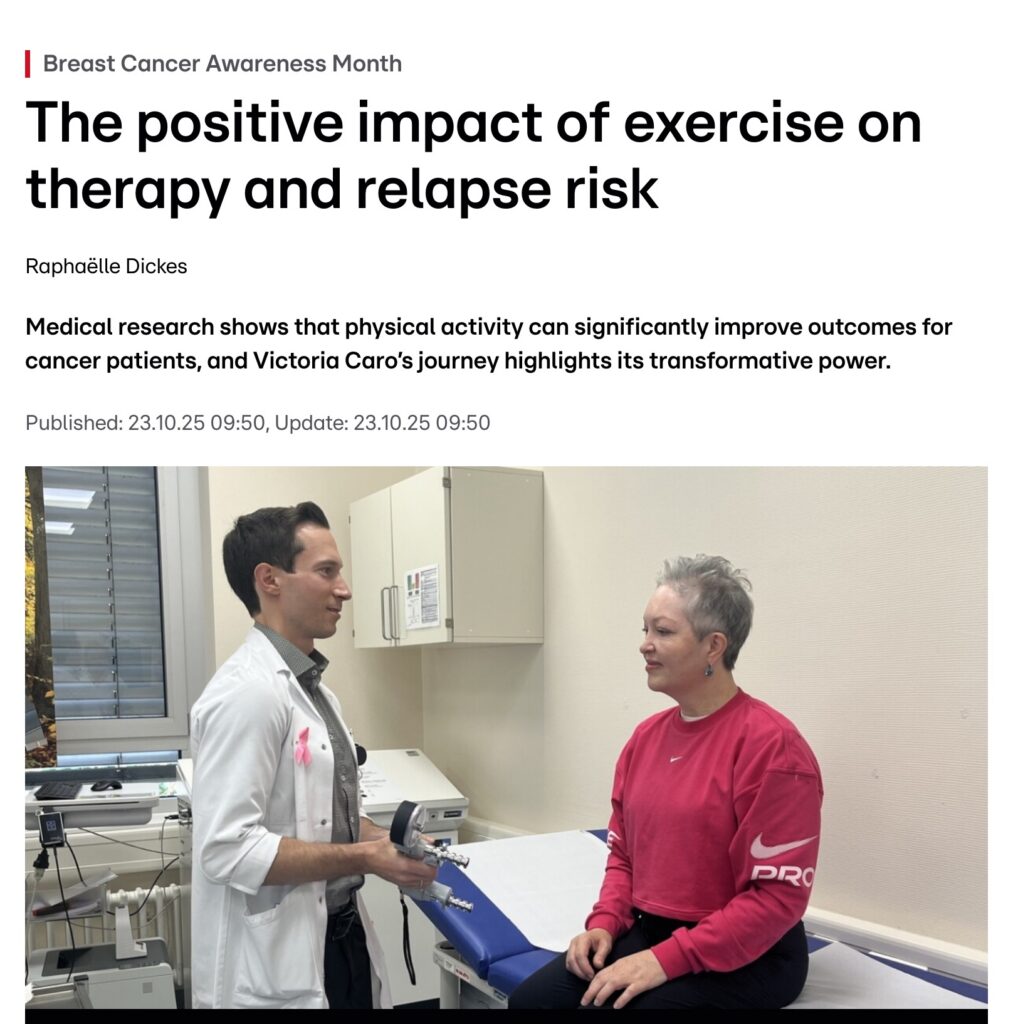
Read the RTL Today article
Moving kept me standing. I hope this report makes you want to take the first step. And if you want to understand where this conviction comes from, read my first post again: From Passive Patient to Active Protagonist.